
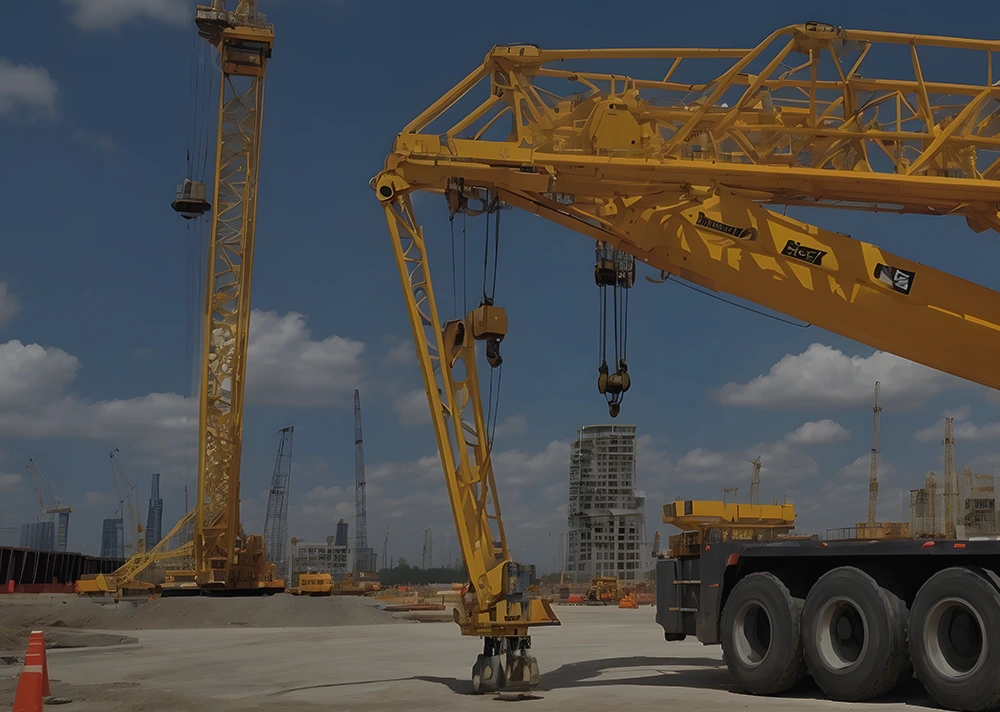
In industries where heavy lifting is a daily necessity, cranes play an indispensable role. From construction sites to manufacturing plants, these powerful machines enable the movement of large, heavy materials with precision and efficiency. However, operating cranes is no small feat and requires specialized training. Crane operations training is essential for ensuring safety, efficiency, and regulatory compliance. Here’s why investing in such training is crucial.
1. Safety First
Safety is paramount in any work environment, and this is especially true for crane operations. Cranes, if not handled properly, can pose significant risks to both operators and ground personnel. Proper training ensures that operators are aware of the potential hazards and are equipped with the knowledge to prevent accidents. Training programs cover various safety protocols, emergency procedures, and the correct use of personal protective equipment (PPE). This education reduces the risk of accidents, which can lead to injuries, fatalities, and costly damage to property.
2. Enhancing Operational Efficiency
Efficient crane operation requires skill and precision. Trained operators are more adept at maneuvering cranes, leading to smoother and faster operations. They are familiar with the crane’s capabilities and limitations, allowing them to execute tasks with greater accuracy and less downtime. This efficiency translates to increased productivity and cost savings for the company. A well-trained operator can also identify potential issues before they escalate, ensuring that the machinery is always in optimal working condition.
3. Compliance with Regulations
Regulatory compliance is a critical aspect of crane operations. Various national and international regulations govern the use of cranes to ensure safety and environmental protection. In many regions, operators must be certified or licensed to operate cranes legally. Comprehensive training programs are designed to meet these regulatory requirements, ensuring that your operations remain compliant. Non-compliance can result in legal penalties, fines, and even the suspension of operations, making training a necessary investment.
4. Reduces Maintenance Costs
Properly trained operators are less likely to misuse equipment, which can lead to wear and tear or damage. Understanding the correct operation techniques helps in maintaining the crane’s longevity and performance. Routine checks and maintenance become more effective when operators are knowledgeable about the machinery. This proactive approach reduces the frequency and cost of repairs and extends the life of the equipment.
5. Boosts Employee Morale and Confidence
Investing in crane operations training demonstrates a company’s commitment to its employees’ professional development and safety. Well-trained operators feel more confident in their abilities and are likely to be more satisfied with their jobs. This confidence reduces the likelihood of mistakes and boosts overall morale. When employees feel valued and competent, it fosters a positive work environment and enhances teamwork.
6. Adapting to Technological Advances
The field of crane operations is continually evolving with advancements in technology. Modern cranes are equipped with sophisticated features such as automated controls, real-time data monitoring, and advanced safety mechanisms. Training programs are regularly updated to include these technological advancements, ensuring that operators are proficient with the latest equipment. This adaptability is crucial for staying competitive in the industry and maximizing the benefits of technological innovations.
Conclusion
Crane operations training is not just a regulatory requirement but a cornerstone of safe and efficient workplace practices. It equips operators with the necessary skills to handle complex machinery, ensures compliance with legal standards, and enhances overall productivity. By investing in comprehensive training programs, companies can mitigate risks, reduce costs, and foster a culture of safety and excellence. In an industry where precision and safety are paramount, crane operations training is an invaluable asset that should never be overlooked.